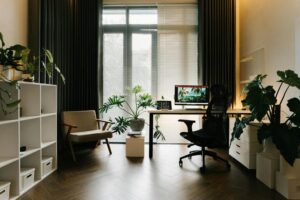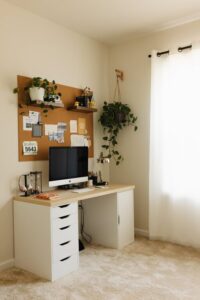
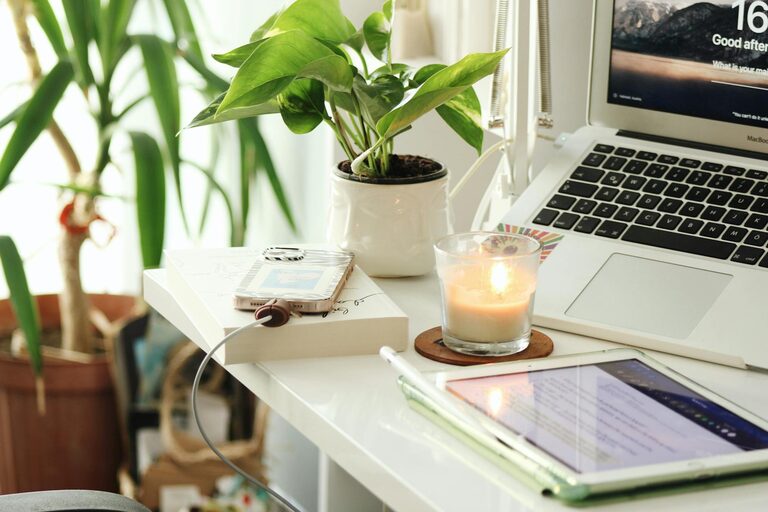
Creating a home workspace that feels cozy yet productive can make a big difference in your daily routine. Whether you’re working remotely, freelancing, or balancing tasks from home, having a dedicated area designed for focus and comfort helps you stay motivated and efficient.
In this post, we’ll explore actionable tips to set up a home workspace that supports your work needs while creating a warm, inviting atmosphere.
Choose the Right Location
Finding the ideal spot in your home is the first step. Consider the following:
– Natural Light: Position your desk near a window to take advantage of daylight, which can improve mood and reduce eye strain.
– Quiet Area: Select a place away from heavy foot traffic or noise to minimize distractions.
– Space Availability: Ensure there’s enough room for your desk, chair, and any equipment you need without feeling cramped.
Even a small corner can work well if set up thoughtfully.
Invest in Comfortable Furniture
Comfort is key to staying productive and avoiding fatigue.
– Ergonomic Chair: Choose a chair that supports good posture with adjustable height and lumbar support.
– Desk Size and Height: Your desk should accommodate your computer, necessary supplies, and allow for comfortable arm placement.
– Additional Seating: If space allows, a small couch or armchair can offer a cozy spot for breaks.
Prioritizing comfort will help you stay focused longer and prevent physical discomfort.
Organize Your Workspace Efficiently
Clutter can hinder productivity. Keeping your space organized fosters clarity and efficiency.
– Storage Solutions: Use shelves, cabinets, or bins to store papers, gadgets, and supplies.
– Desk Accessories: Desk organizers, pen holders, and cable management tools reduce mess.
– Minimalism: Keep only essential items on your desk to avoid distraction.
Regularly tidying your area can also refresh your focus.
Personalize with Cozy Elements
Adding personal touches can make your workspace feel welcoming and inspiring.
– Soft Textiles: Incorporate cushions, blankets, or rugs to add warmth and color.
– Plants: Indoor plants improve air quality and add natural beauty.
– Artwork and Photos: Hang inspiring prints or photos that motivate you.
– Lighting: Use warm-toned lamps or fairy lights to create a soothing atmosphere for late work sessions.
These elements balance productivity with comfort, making work more enjoyable.
Optimize Lighting for Function and Mood
Proper lighting reduces eye strain and enhances focus.
– Task Lighting: Use adjustable desk lamps to illuminate your work area without glare.
– Natural Light: Make the most of daylight by positioning your desk accordingly.
– Ambient Lighting: Soft overhead or floor lamps can create a relaxed mood.
Adjust your lighting based on the time of day and work type.
Set Boundaries and Establish Routine
Creating a routine and clear boundaries helps your mind distinguish between work and relaxation.
– Work Hours: Define specific start and finish times to maintain balance.
– Breaks: Incorporate short breaks to move around and refresh.
– Separate Workspace: Use your workspace only for work-related tasks if possible.
This structure boosts productivity and prevents burnout.
Use Technology Wisely
The right tools can enhance your workflow.
– Reliable Internet: Ensure a strong connection to avoid disruptions.
– Noise-Canceling Headphones: Block out distractions during focused work periods.
– Apps and Software: Use task managers, calendars, and communication tools to stay organized.
Regularly update your devices and software for smooth performance.
Keep Air Quality and Temperature Comfortable
Physical comfort is essential for focus.
– Ventilation: Open windows or use air purifiers to maintain fresh air.
– Temperature Control: Use fans, heaters, or adjust settings to keep the workspace at a comfortable temperature.
– Humidity: A humidifier can help if the air is too dry.
Feeling comfortable physically leads to better concentration.
Final Thoughts
Designing a cozy and productive home workspace doesn’t require a large investment or space. Thoughtful choices about location, furniture, organization, and ambiance can transform your work environment. Prioritize comfort, personalization, and functionality to create a space where you can thrive professionally and feel good throughout the day.
With these tips in mind, you’re ready to set up a home workspace that works for you and helps you make the most of your time at home. Happy decorating and productive working!