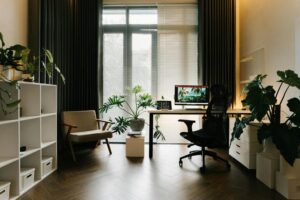
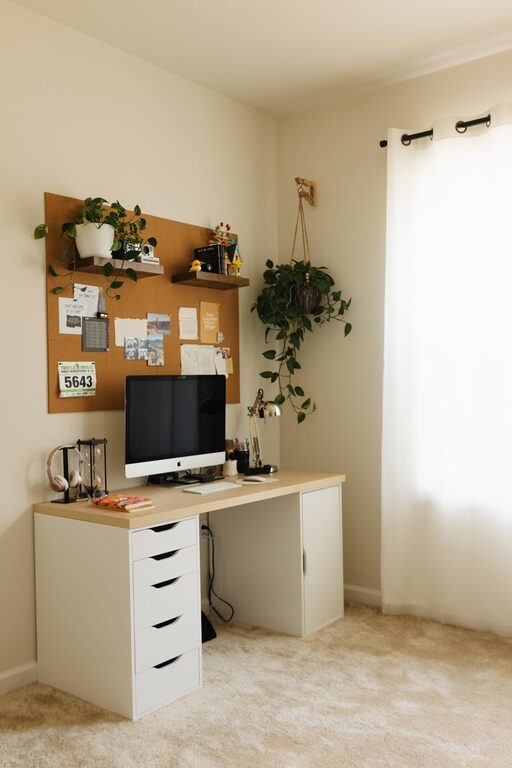
Creating a home workspace that is both cozy and functional can significantly improve your productivity and overall well-being. Whether you work remotely full-time, need a spot for occasional tasks, or study at home, the right environment can help you focus and feel comfortable throughout the day. In this guide, you’ll find useful tips and ideas to design a workspace that fits your needs and style.
Why a Cozy and Functional Workspace Matters
Your home workspace is more than just a desk and chair. It’s a space where you spend hours thinking, creating, and completing tasks. A well-designed workspace combines comfort and utility, which can help reduce stress, enhance concentration, and keep you motivated.
Choose the Right Location
Start by selecting a spot in your home that offers enough natural light and minimal distractions. If possible, choose a quiet corner or a room with a door to maintain focus. Natural light not only brightens the space but also boosts your mood and energy levels.
Tips for Location Selection
– Avoid high-traffic areas like the kitchen during busy times.
– Use a separate room for the workspace to create boundaries between work and home life.
– Consider proximity to power outlets and internet access.
Invest in Comfortable Furniture
A comfortable chair and desk are essential to maintain good posture and avoid fatigue. Ergonomic furniture supports your body during long hours of sitting, which is crucial for your health.
What to Look for in Furniture
– An adjustable chair with lumbar support.
– A desk at the right height—ideally allowing your elbows to rest at a 90-degree angle.
– Additional seating options like a small couch or cushioned stool for breaks or brainstorming sessions.
Organize and Declutter Your Workspace
Clutter can be distracting and stressful. Keeping your workspace tidy makes it easier to focus and find what you need quickly.
Tips for Organization
– Use storage solutions like shelves, drawers, and organizers for supplies.
– Keep only essential items on your desk.
– Declutter regularly to avoid accumulation of unnecessary items.
Add Personal and Cozy Touches
To make your workspace feel inviting, incorporate personal touches that inspire and comfort you. This creates a pleasant atmosphere that encourages you to spend time there.
Ways to Add Warmth and Personality
– Use soft lighting, such as desk lamps or fairy lights, instead of only harsh overhead lights.
– Add plants to bring in a touch of nature and improve air quality.
– Display artwork, photos, or motivational quotes that make you smile.
– Choose a soft rug or cushions for added comfort and warmth.
Ensure Good Lighting
Proper lighting reduces eye strain and keeps you alert. Aim for a mix of natural and artificial light sources.
Lighting Tips
– Position your desk near a window if possible.
– Use adjustable lamps to focus light on tasks.
– Consider light bulbs with a daylight color temperature for a natural feel.
Manage Noise and Distractions
If noise is an issue, try to minimize it to maintain concentration. This can be done using noise-canceling headphones or soundproofing elements.
Noise Management Ideas
– Use rugs, curtains, or wall hangings to absorb sound.
– Play soft background music or sounds to mask distracting noises.
– Speak with family or housemates about respecting your work hours.
Plan Your Technology Setup
Make sure your computer, printer, and other technology are set up efficiently. A clutter-free technology area helps avoid frustration and interruptions.
Technology Setup Tips
– Use cable organizers to prevent tangled cords.
– Position your monitor at eye level to reduce neck strain.
– Keep frequently used devices within arm’s reach.
Incorporate Break and Movement Space
Even in smaller homes, plan a little area to stand up, stretch, or take short breaks. Movement helps refresh your mind and body.
Ideas for Break Space
– Use a standing desk converter or adjustable sit-stand desk.
– Keep a yoga mat or small workout tools nearby.
– Schedule short movement breaks throughout the day.
Maintain a Routine and Boundaries
Finally, keep a consistent routine and clear boundaries between work and personal time. This helps maintain balance and keeps your workspace inviting instead of overwhelming.
Routine and Boundaries Suggestions
– Set regular work hours and stick to them.
– Use your workspace only for work-related activities.
– Turn off work devices after your scheduled time ends.
—
By combining comfort, organization, and thoughtful design, you can create a home workspace that not only looks good but supports your productivity and well-being. Remember that your workspace should evolve with your needs, so feel free to adjust and improve it over time. With these tips, you’re well on your way to a cozy and functional home office!