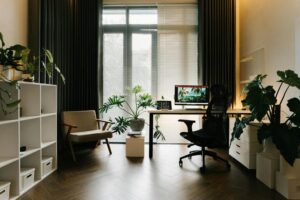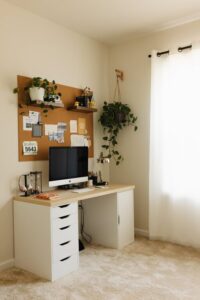
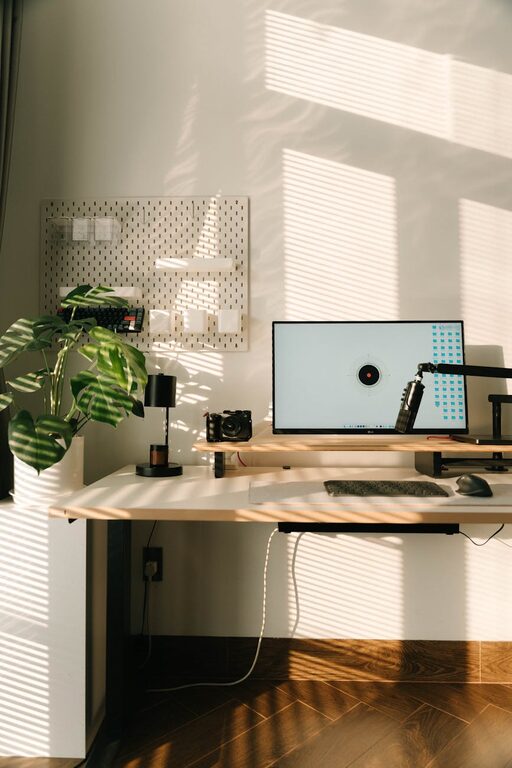
Creating a relaxing home office environment is essential for maintaining focus, reducing stress, and enjoying your workday. Whether you work from home full-time or occasionally need a quiet space for tasks, designing an inviting and calming workspace can make all the difference. This guide provides practical tips to help you create a home office that supports both productivity and well-being.
Choose the Right Location
Selecting the right spot for your home office sets the foundation for a relaxing workspace.
– Find a quiet area: Choose a space with minimal noise and distractions to help you concentrate.
– Consider natural light: Position your desk near a window to take advantage of natural sunlight, which can boost mood and energy.
– Assess space availability: Even a small corner can be transformed into an effective workspace with proper organization.
Invest in Comfortable Furniture
Comfortable furniture is key to a relaxing and functional office.
– Ergonomic chair: Select a chair that supports good posture, reducing strain on your back and neck.
– Adjustable desk: If possible, consider a desk with adjustable height to alternate between sitting and standing.
– Proper desk size: Ensure your desk has enough surface area to accommodate your computer, notes, and other essentials without clutter.
Personalize Without Overcrowding
Personal touches can make your office feel inviting, but avoid clutter that can cause stress.
– Choose meaningful decor: Add items like photos, plants, or artworks that inspire and motivate you.
– Keep it minimal: Limit the number of decorative items to maintain a clean, calming space.
– Incorporate colors: Use soothing colors, such as soft blues, greens, or neutrals, which are known to promote relaxation.
Optimize Lighting
Good lighting improves comfort and productivity.
– Use natural light: Maximize daylight by positioning your workspace near windows.
– Add task lighting: Use an adjustable desk lamp to reduce eye strain during focused tasks.
– Avoid glare: Position screens and lights to minimize reflections and harsh brightness.
Organize Efficiently
A well-organized workspace reduces distractions and won’t feel overwhelming.
– Declutter regularly: Keep only what you use daily on your desk.
– Use storage solutions: Invest in shelves, drawers, or baskets to neatly store supplies.
– Set up cable management: Use clips or sleeves to keep cords tidy and out of the way.
Incorporate Calming Elements
Small features can enhance the relaxing atmosphere of your office.
– Add plants: Indoor plants improve air quality and add a touch of nature, which is calming.
– Consider essential oils or candles: Scents like lavender or eucalyptus can create a soothing mood (ensure safety with open flames).
– Use soft textiles: Place a cozy rug or cushions to add warmth and softness to the room.
Establish Boundaries
Separating your workspace from personal areas helps maintain balance.
– Define the office space: Use room dividers or rugs to mark your working zone.
– Set work hours: Stick to a routine to help your mind distinguish work time from relaxation time.
– Minimize distractions: Turn off non-essential notifications and communicate your schedule with others in your household.
Maintain Good Air Quality and Temperature
A comfortable climate supports focus and well-being.
– Ventilate regularly: Open windows or use an air purifier to keep fresh air circulating.
– Keep a moderate temperature: Ensure your workspace isn’t too hot or cold.
– Use a fan or heater: Portable devices help you adjust temperature easily if central heating or cooling is insufficient.
Incorporate Technology Thoughtfully
Technology can help or hinder relaxation, depending on how it’s set up.
– Invest in quality equipment: Use reliable, user-friendly devices to avoid frustration.
– Manage screen time: Take regular breaks following the 20-20-20 rule—every 20 minutes, look at something 20 feet away for 20 seconds.
– Use noise-cancelling headphones: These can block distractions and create a peaceful sound environment.
Create a Relaxation Routine
Adding moments of calm into your workday refreshes your mind.
– Schedule breaks: Short breaks every hour can recharge focus and reduce fatigue.
– Practice mindfulness: Simple breathing exercises or stretching can relieve tension.
– Use your space for short resets: Have a comfortable chair or corner where you can pause and relax briefly.
—
By following these tips, you can transform any room into a relaxing home office that supports productivity and well-being. The key is creating a space that feels inviting and comfortable while staying organized and functional. Remember, your home office should be a place where you can focus and feel at ease.